Driving systems change through collective impact in ECD
12 Aug 2025
Something special happened this year: the DO MORE FOUNDATION has formally partnered with the National Department of Basic Education (DBE) to bring the National Integrated Early Childhood Development Policy (NIECD) to life, community by community.
On paper, it’s a Memorandum of Understanding (MoU). In practice, it’s a powerful door-opener. One that allows us to take our Everyone Gets to PLAY model, designed with and for real communities, and integrate it into the fabric of how early childhood services are delivered across South Africa.
This model is about collective impact in action. It’s not just our work - it’s a partnership between specialist non-profits, local government departments, local business and community leaders who understand what young children and their families need to thrive. Together, we’re delivering a holistic basket of services - from early learning and nutrition to parenting support and child protection. And now, we’re doing it with the national government behind us.
So, what does this mean? The MoU is more than a signature, it’s a signal. A signal that the government recognises the power of shared-value partnerships between non-profits, business, and the state to drive systemic change in early childhood development. Within weeks of signing, the DBE issued letters (signed by the Director-General) to all provincial Heads of Department, naming DO MORE FOUNDATION as an official implementing partner. This opened doors not only for collaboration, but for trust, visibility, and alignment at all levels.
It also unlocked real opportunities. One of the first was a co-hosted workshop with the DBE on climate resilience in ECD centres. From this, we began developing a climate toolkit - one that blends curriculum resources with practical infrastructure upgrades to help centres adapt to extreme weather. The DBE has committed to officially endorsing this once complete, making it one of the first sector-wide climate resilience efforts in ECD.
A ripple effect is already underway.
Thanks to the MoU:
- We’ve been invited to represent the non-profit sector at prestigious policy spaces - including the G20 Provincial Indaba and the National G20 Meeting.
- Our model was singled out by TheirWorld’s Ben Hewitt as a global example of effective cross-sector partnership.
- We’re actively scoping Grootvlei, a Just Energy Transition area, as our first Everyone Gets to PLAY expansion community outside RCL’s operational footprint - proving the model is scalable.
- Provincial DBE offices have started sending us letters - asking how they can support the model in their districts.
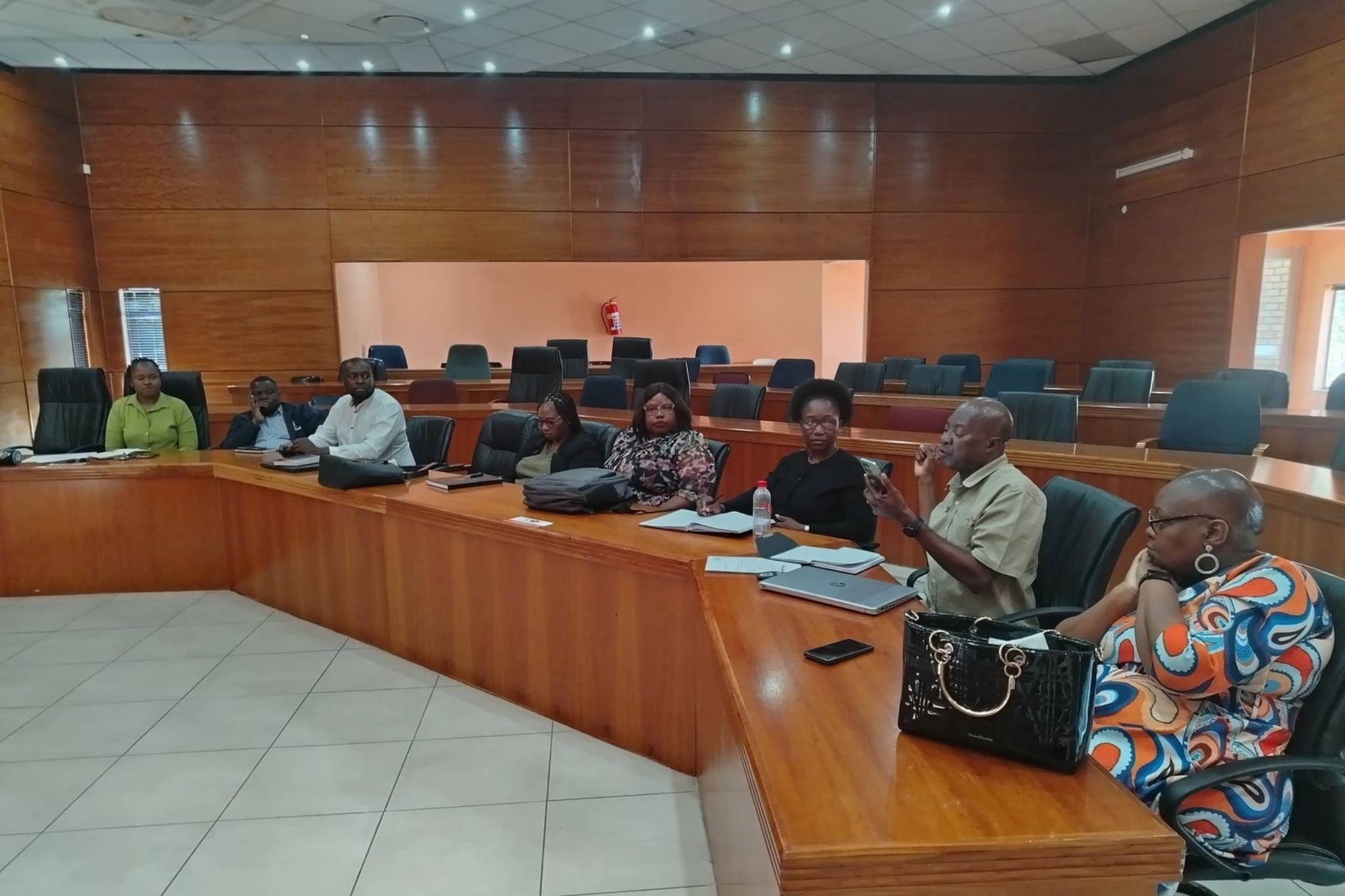
- We also brought our implementing partners together at the Synergy Summit in May 2025 to align around this moment. Together, we’ve agreed to use the EGTP model not only as a delivery tool, but as a strategic framework for collective action across all our deep dive communities.
Of course, no deep change comes without deep challenges.
As more government departments lean on us, expectations are growing, sometimes faster than our resources. During the recent Bana Pele mass registration drive, for example, we were asked to help lead and fund parts of the process, even though it’s government-led. And we’re often approached with urgent requests (from maternity books to weighing scales) that sit outside our planned scope.
We’re learning to walk a fine line: supporting without being over-relied on, and remaining strategic while staying responsive. And while our MoU opens doors, it doesn’t fix gaps in government implementation capacity. That’s why our human resources, being our people on the ground, are so crucial to making this work real.
Where to from here?
In FY26, we’ll continue to embed the EGTP model more intentionally at provincial and district levels, helping align local plans with the DBE’s District Development Model. While this whole-of-society approach is ambitious, we believe we can play a catalytic role in bringing it to life - especially in areas where officials are stretched thin and communities are under-resourced.
Another big priority is supporting ECD centres to register in line with DBE’s Mass Registration Drive - ‘Bana Pele’. Government subsidies can be a lifeline for centres, but only if they meet all the norms and standards. With government buy-in and the support of our partners, we aim to help more centres unlock this funding - ensuring long-term sustainability for those caring for our youngest children.
In short? This MoU is more than a partnership. It’s a shift in how change happens - from the ground up, but with the system alongside us. It’s about putting the policy to work, not just on paper, but in playgrounds, playgroups, and parenting circles. We’re just getting started.