Investing in Nkomazi's ECD Infrastructure
31 Jul 2026
The quality of an Early Childhood Development (ECD) programme is shaped by more than what learning the practitioner facilitates inside the classroom. The physical environment in which children learn also plays a critical role in supporting their health, safety and development, while enabling practitioners to provide quality care and education.
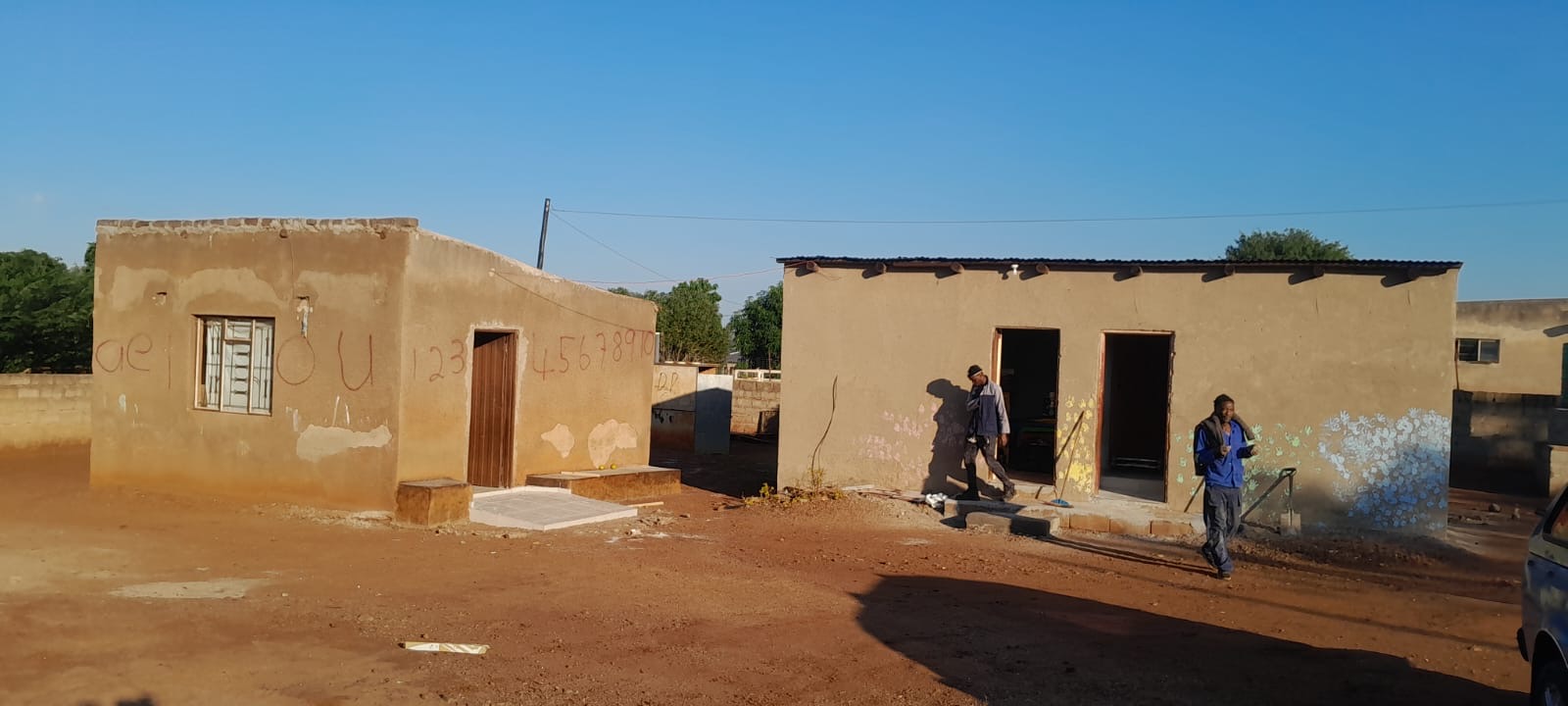
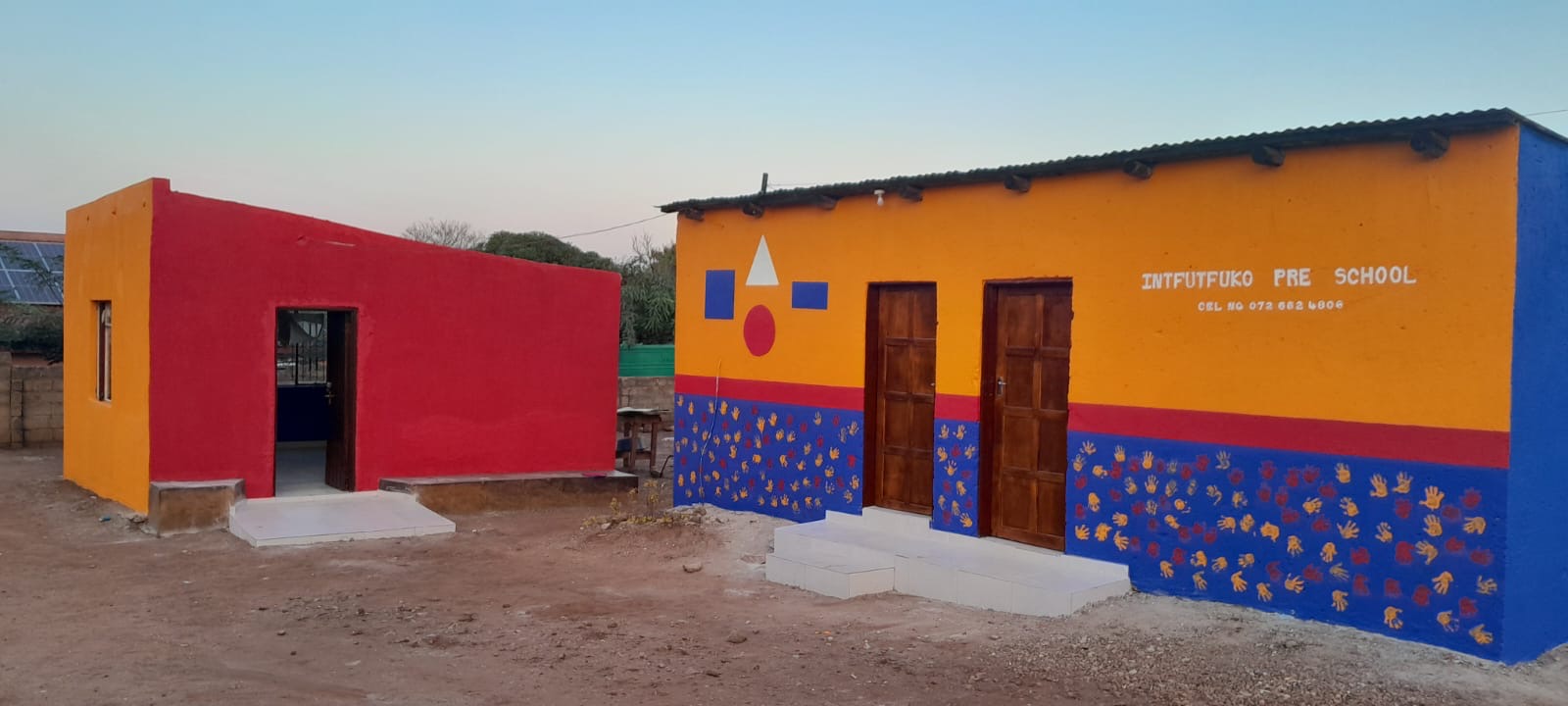
Yet many ECD centres in under-resourced communities in South Africa operate from facilities that were never designed for early learning. Classrooms double as kitchens and offices, buildings lack basic finishes, and infrastructure falls short of the environmental health standards required for registration and long-term sustainability.
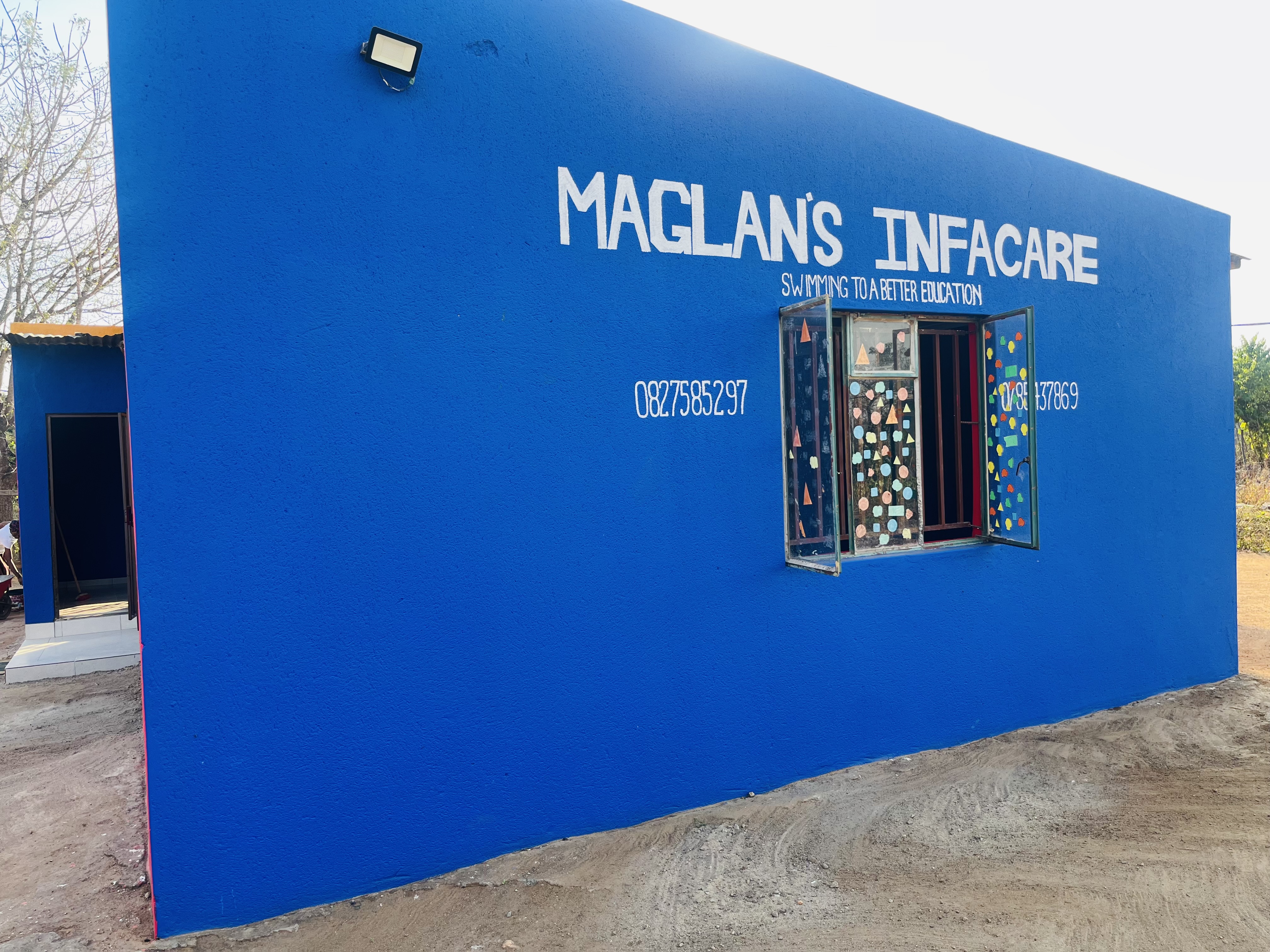
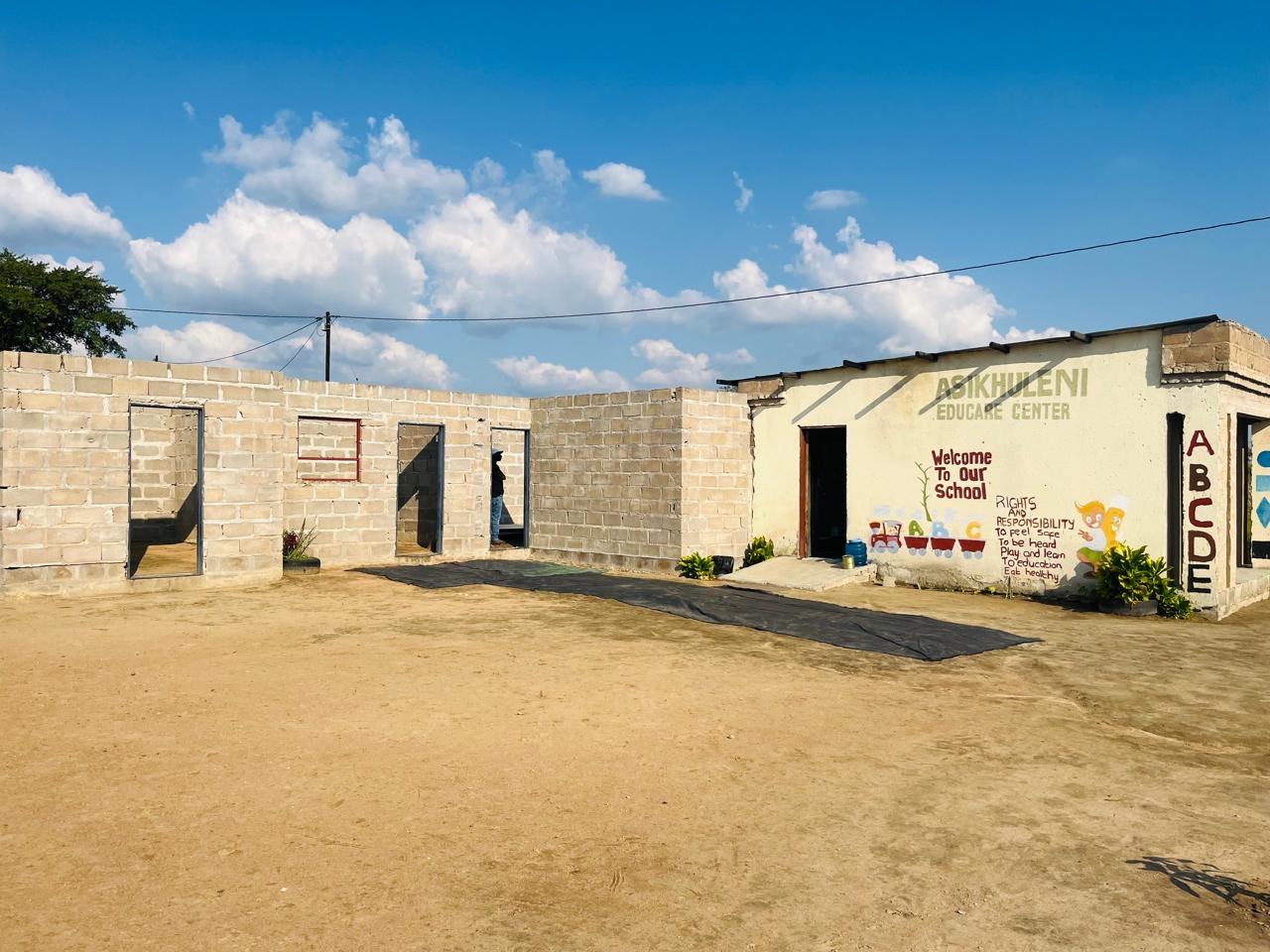
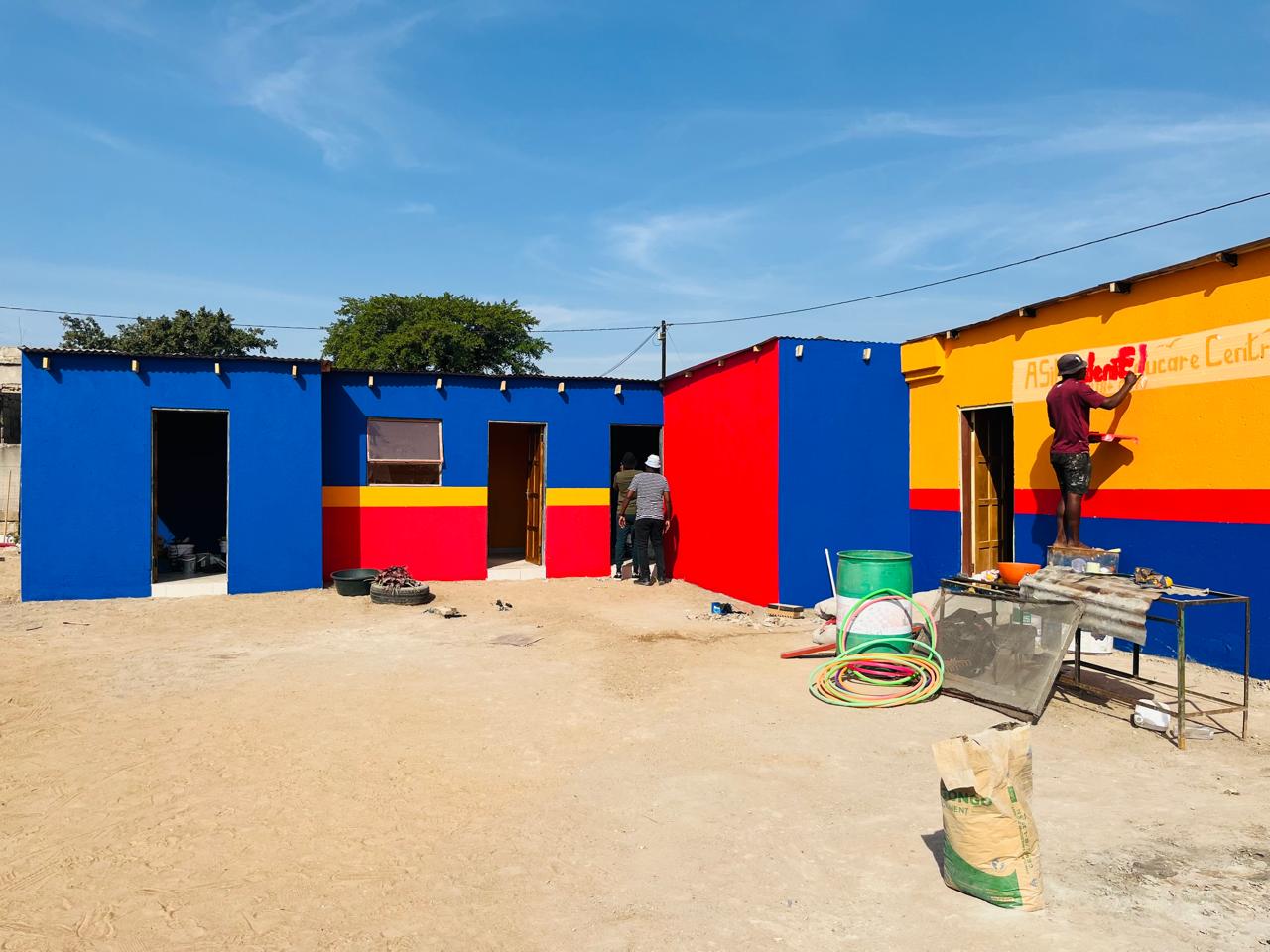
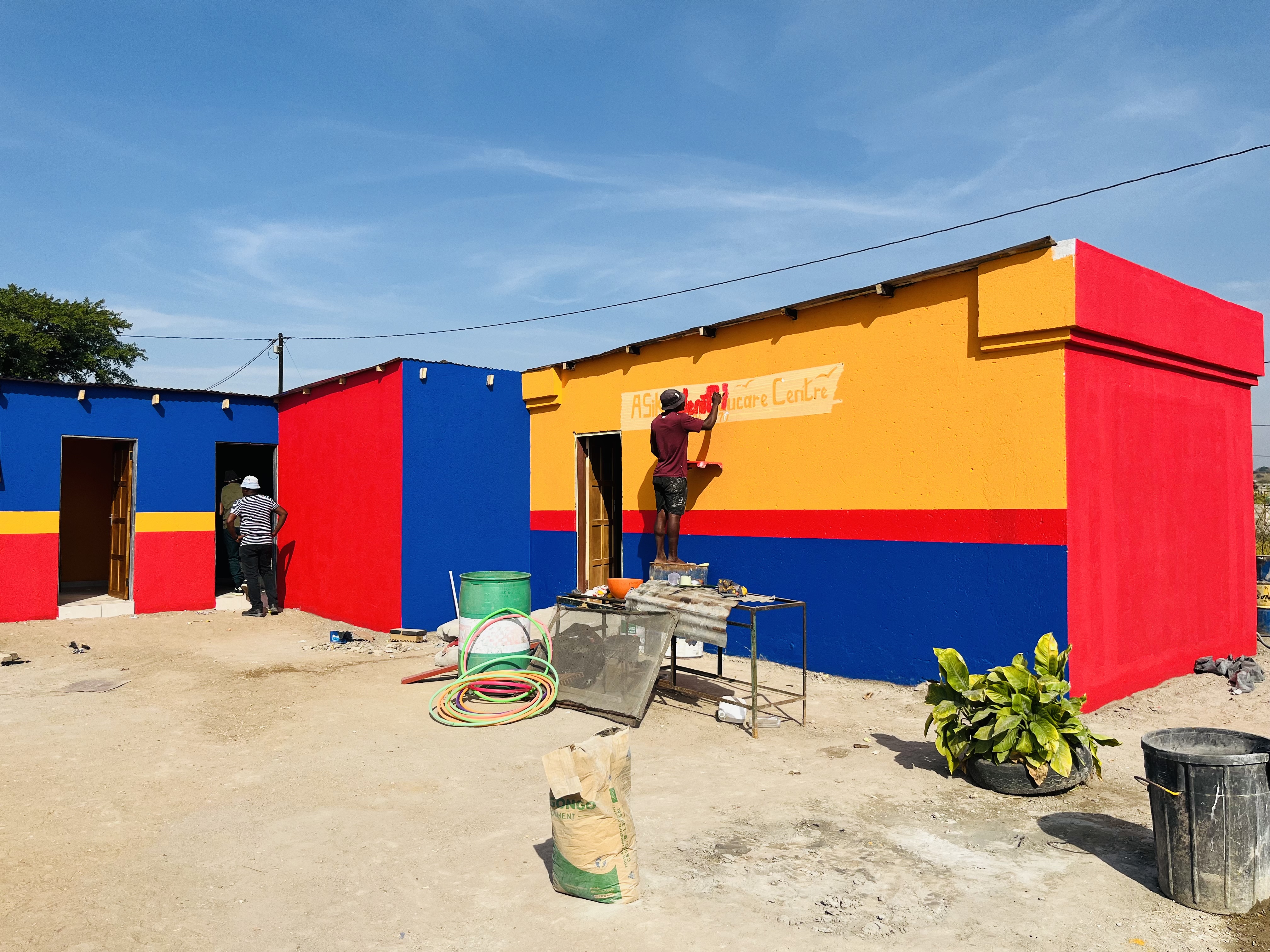
Recognising that quality infrastructure is fundamental to quality ECD services, the Early Care Foundation (ECF), an implementing partner organisation of the DO MORE FOUNDATION, undertook the renovation of three ECD centres in Nkomazi, Mpumalanga.
Creating environments that enable quality ECD
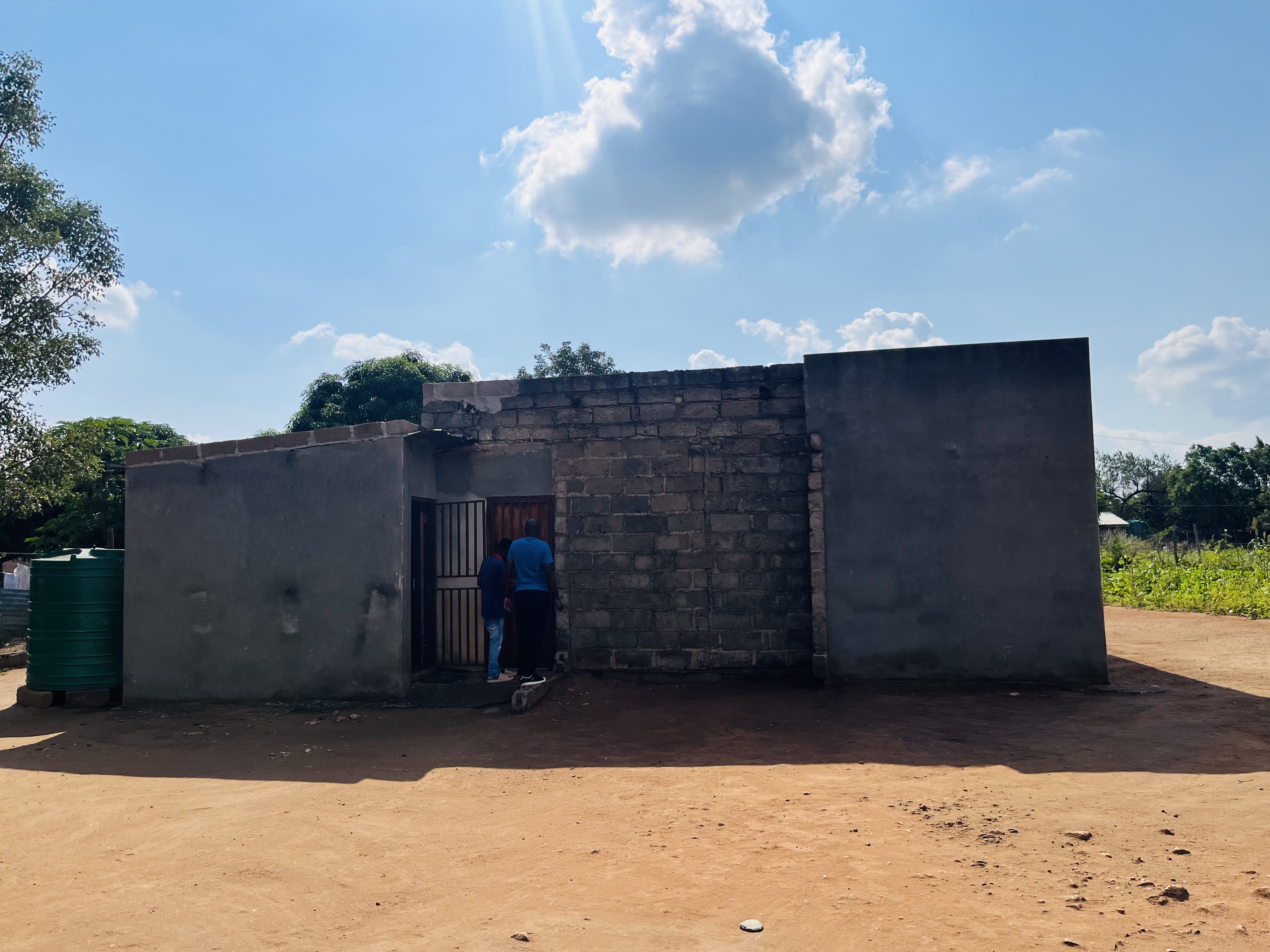
Environmental Health Practitioner inspections identified several infrastructure gaps at Maglans Infa Care in Langeloop, Intfutfuko Nhlabavillage Pre-School in Driekoppies, and Asikhuleni Educare in Middleplaas. Across the three centres, renovations addressed issues including incomplete kitchens, damaged doors, inadequate lighting, unfinished buildings, the absence of ceilings and flooring, and a lack of dedicated administrative or health spaces.
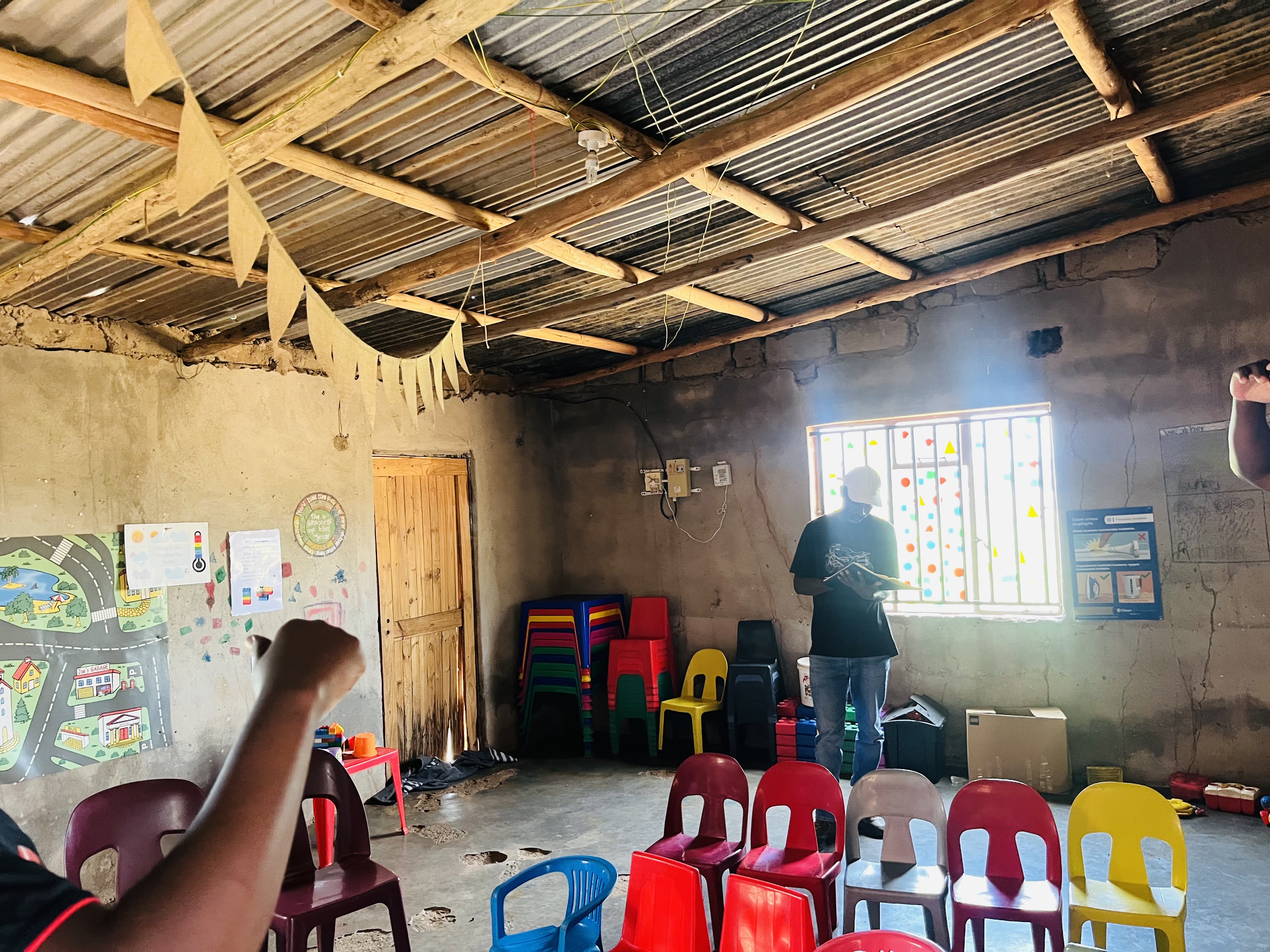
Dedicated classrooms allow practitioners to focus on teaching without competing demands on the space. Separate kitchens and offices improve the day-to-day management of the centre. Sick bays support healthier learning environments, while improved ventilation, lighting and finishes contribute to safer, more appropriate spaces for young children.
For practitioners, this means spending less time working around infrastructure challenges and more time delivering quality early learning experiences.
Strengthening the sustainability of ECD centres
By addressing key environmental health compliance requirements, the three centres have moved significantly closer to meeting the standards required for government registration and funding. Compliance is an administrative milestone and a pathway towards greater financial sustainability and improved access to public investment, ultimately strengthening services available to children and families.
For community-based ECD centres operating with limited resources, this creates opportunities to build resilience and continue serving future generations.
An investment that benefits the wider community
Well-functioning ECD centres support local families by providing safe, reliable places where children can learn and develop. They create better working environments for practitioners, strengthen confidence among parents and caregivers, and contribute to the overall quality of services available within the community.
When ECD centres are equipped to operate sustainably, communities are better positioned to support children's development during the years that matter most.
Partnership for lasting impact
The collaboration between the Early Care Foundation and the DO MORE FOUNDATION demonstrates the value of investing in the systems that underpin quality Early Childhood Development.
Although further improvements are still required, including child-friendly sanitation facilities at all three centres and additional shade-net structures for outdoor play, the project represents an important step towards creating ECD centres that are not only safer and more functional today, but better positioned to serve children and communities well into the future.
Strengthening early childhood development requires more than programmes alone. It requires investment in the environments, practitioners and systems that enable quality services to thrive. Through partnerships such as this, we can help ensure that ECD centres are equipped to provide every child with the strong foundation they deserve.