Lessons from my Volunteer Journey with ECD Practitioners
25 Sep 2026
As a registered counsellor, I was looking for ways to give back to the community, and my six-month volunteership with the DO MORE FOUNDATION in Nkomazi gave me this amazing opportunity. What started as self-care and well-being workshops quickly evolved into other spheres of early childhood development (ECD), most notably play-based education.
I wanted to use my years of education and experience in a practical manner, and volunteering enabled me to do so. However, I truly believe I have learnt more from the practitioners in these past few months than I could have imagined. This opportunity allowed me to build amazing and educational relationships with my colleagues and the practitioners.
Focusing on Madadeni
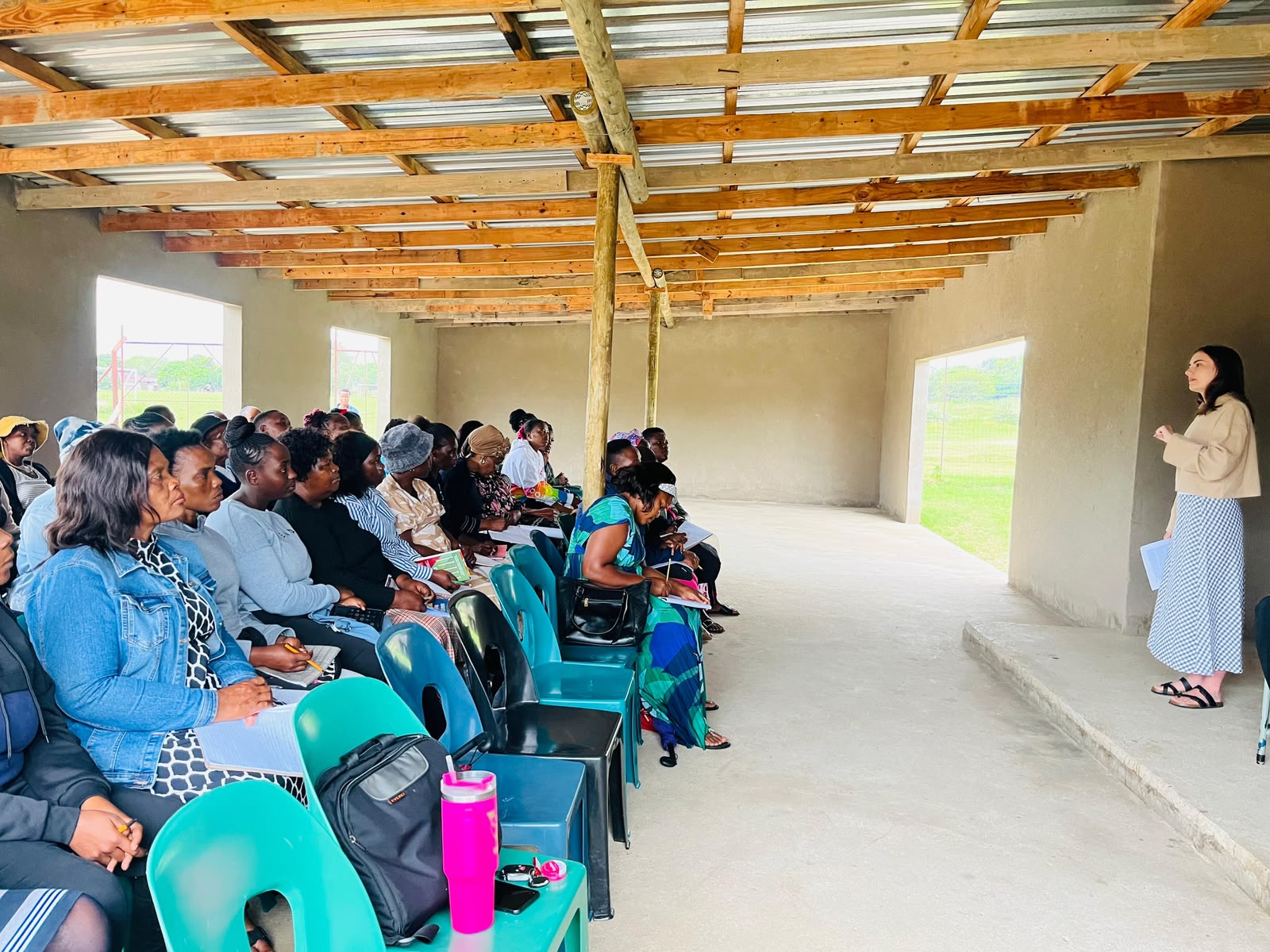
After visiting various centres and locations, we decided I would focus on one centre in Madadeni to build stronger relationships with the practitioners. This was the right choice as they were eager to learn, engage and suggest what they wanted from future workshops. By the end of my internship, I had conducted four workshops with the same 10 practitioners.
We built a strong and open relationship, where the workshops became a fun learning experience rather than something mandatory. Their bright and fun nature calmed my nerves, and I felt welcome in their space and the broader community.
Self-care and well-being
My first workshop focused on self-care. I was very nervous, especially talking in front of so many people, and initially worried that my message did not relate to them. I judged myself too quickly.
Through our discussions, I realised how little time the practitioners truly have for themselves. Not only are they caring for children in ECD centres five days a week, but they are also mothers, wives, aunts, grandmothers and elders in their communities. Their responsibilities are almost endless.
I reminded them of the importance of consciously making time for themselves, whether it is relaxing, having fun, being healthy or simply taking a moment for themselves. Afterwards, practitioners asked further questions, took photos of my speech and shared examples from their own lives.
This taught me to trust the process and give people time to warm up and engage in their own way. It also gave me confidence that, even when nervous, I could make an impact.
Learning through play
The most notable workshop I conducted was on play-based education. We discussed how play is not only fun, but important for children’s cognitive, physical, emotional and social development. Through play, children can develop skills such as sharing, patience, problem-solving, imagination and creativity.
The practitioners participated in activities themselves and then discussed how they could adapt them to suit their classrooms. Their ideas were amazing. I quickly realised my role was not to show them one ‘correct’ way of doing things, but to create a foundation from which they could build their own activities and ideas.
Creativity, listening and literacy
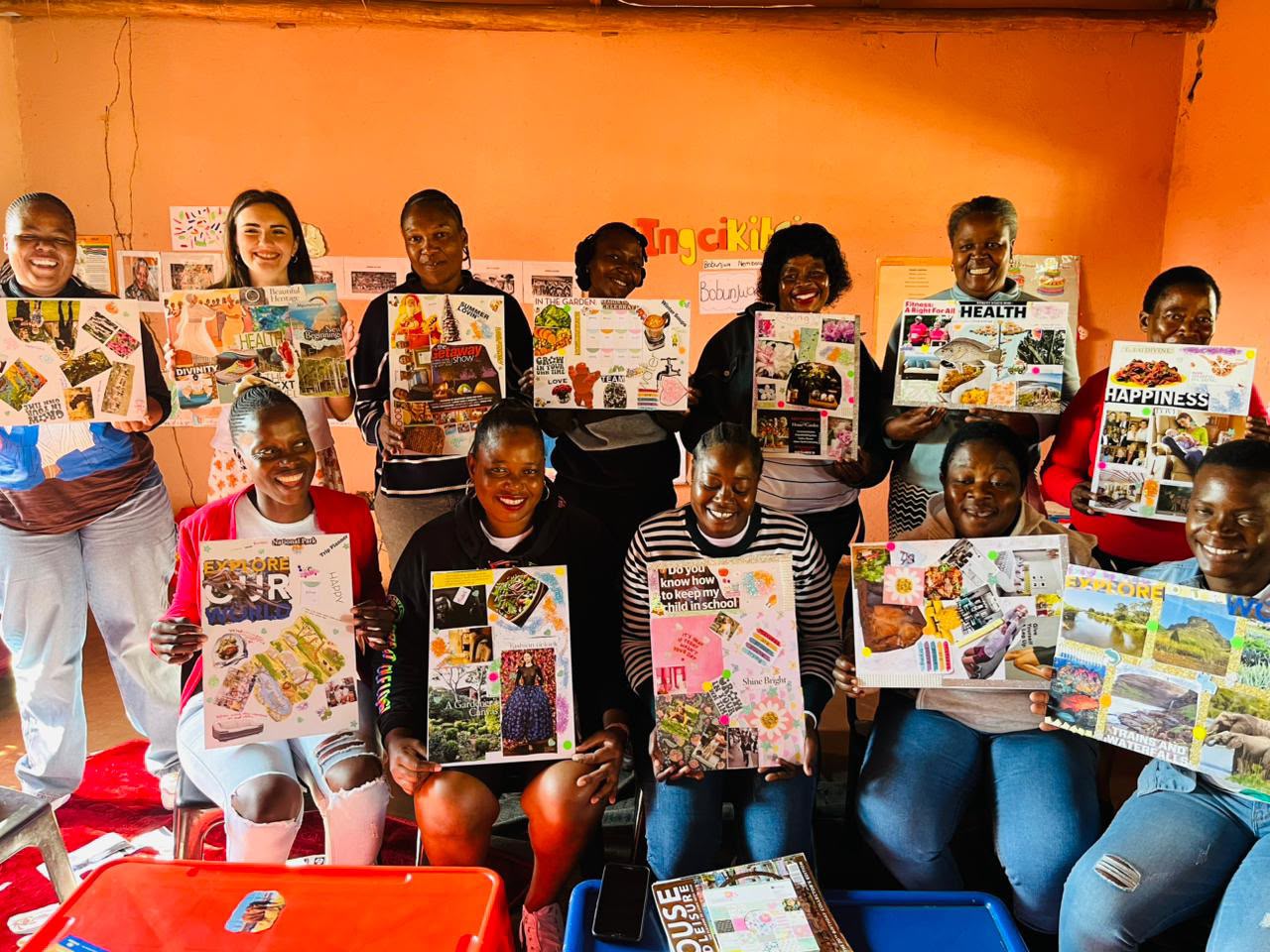
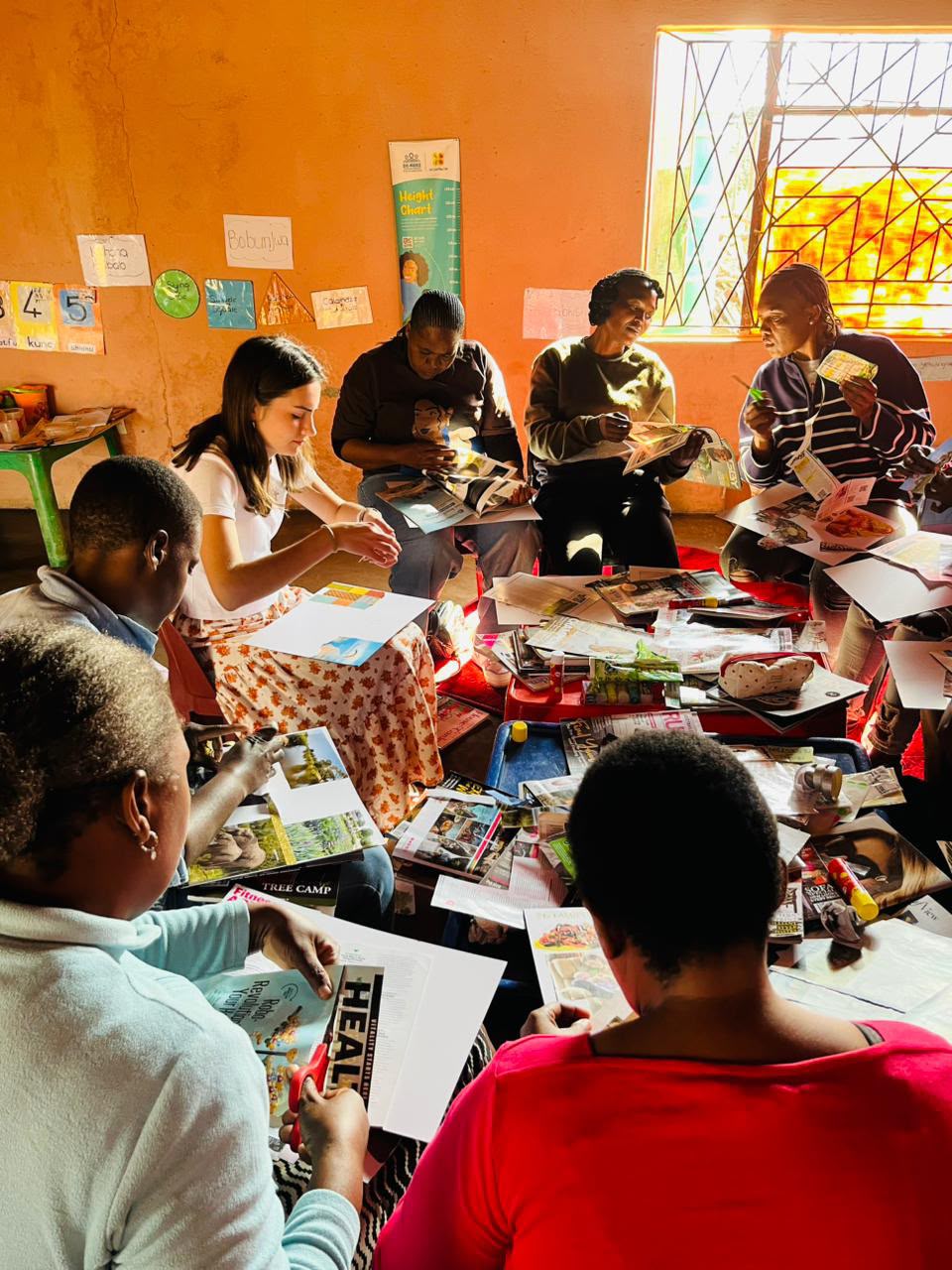
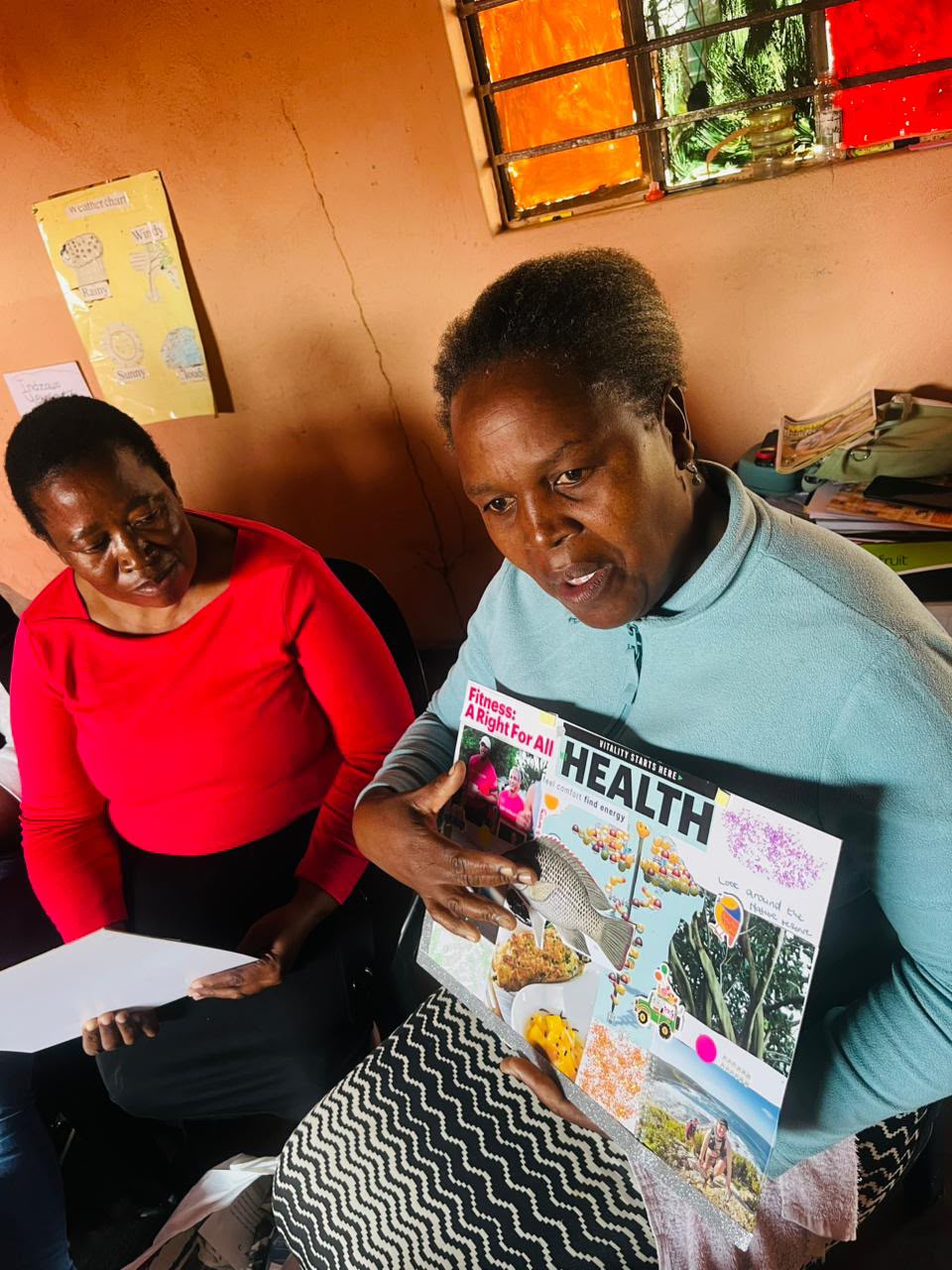
For the next workshop, with guidance from a peer at DO MORE, we took a break from ‘work’ and did something creative. We made vision boards around what practitioners wanted their classrooms to represent and what children need to be healthy and happy.
There was a spark of excitement as everyone shared their ideas. Their vision boards emphasised love, care, nutrition, fun and education. The experience also highlighted a need for more art supplies. Most importantly, it showed me that sometimes the most valuable thing I can offer is to listen and observe, allowing practitioners to tell their own stories rather than arriving with preconceived solutions.
Our conversations also highlighted the need for more books and booklets in both siSwati and English. The practitioners suggested that a future workshop should explore how to formulate and write short stories that are educational and inspiring for children. I realised volunteering needs to remain responsive rather than follow a fixed plan. The practitioners themselves are best positioned to tell me what their classrooms need.
Building together
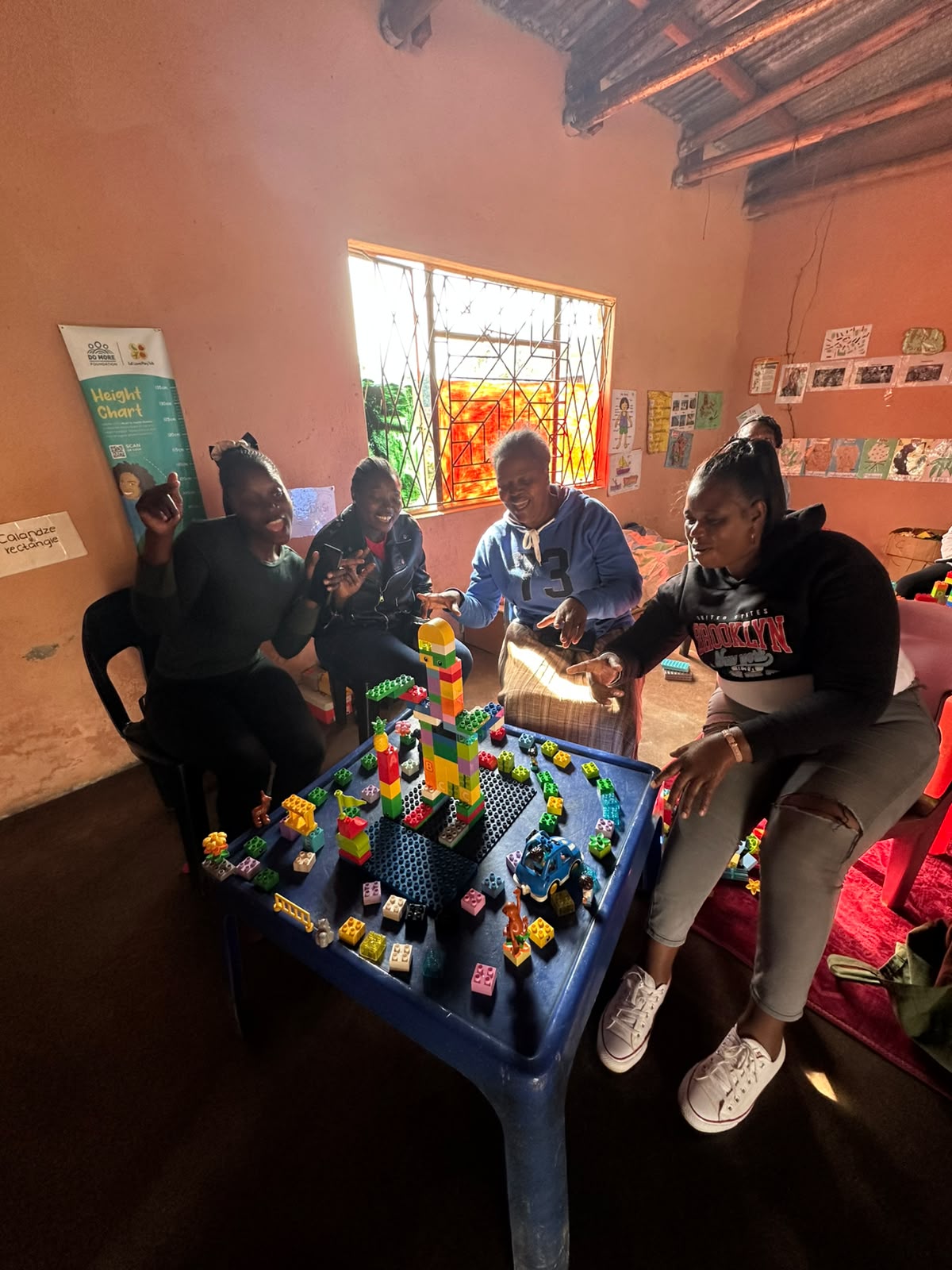
My last workshop took place at the beginning of June, following training on LEGO Brick-by-Brick workshops. Practitioners worked in small groups to build, problem-solve and create together, while I acted as facilitator.
Afterwards, we discussed their builds, and I asked them to create stories around what they had made. These stories gave me insight into their hopes for the children’s futures, including good education, working hard and simply being loved. The experience reinforced how activities become more meaningful when participants can create their own story and give meaning to what they have made.
A journey of mutual learning
I started volunteering hoping I would be able to share my skills and experience and give back to the community, but I left recognising how much I had received in return. I saw that volunteering is built on meaningful relationships and mutual learning.
The practitioners are the reason my confidence and insight grew. They helped me see things from a different perspective because no one knows their situation and community better than they do.
I did not need all the answers when I entered these communities. I simply had to listen to the practitioners and incorporate their skills with mine for the most beneficial outcome.
It has been a privilege to build such a beautiful and mutually understanding relationship with them. I can only hope they learnt from me as much as I learnt from them.