A Parent’s Story: How One Child is Finding her Voice Through Play
24 Mar 2026
When her daughter first started attending the local early childhood development (ECD) centre in Tlhabane, Rustenburg, Thorofaso Segune hoped it would help prepare her child for school. What she didn’t expect was just how much her daughter would grow in confidence.
“They’ve built her self-esteem,” Thorofaso Segune says proudly. “She can now stand in front of people boldly, speak and do anything.”
The early years of a child’s life (from birth to age five) are widely recognised as the most important period for brain development. During this time, children build the foundation for language, emotional wellbeing, social skills and learning at school.
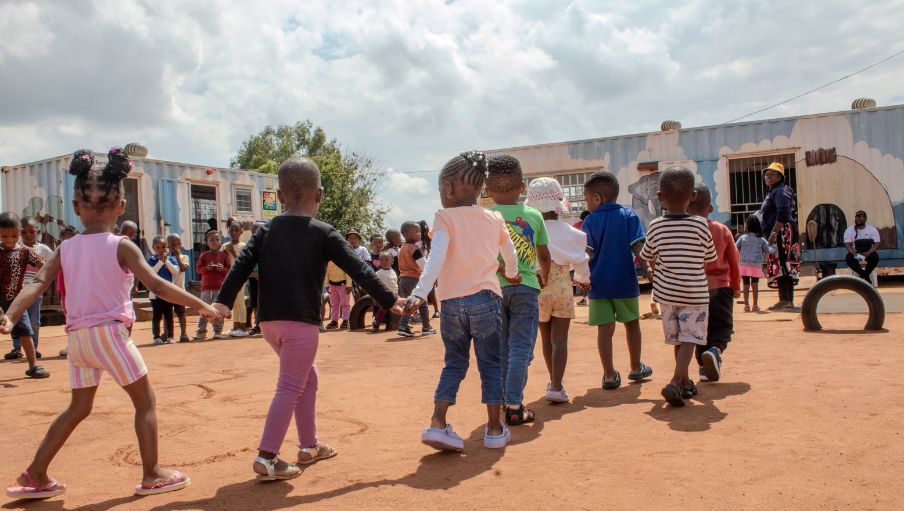
Quality early learning programmes play a critical role in this development. But in communities facing poverty and unemployment, many families do not always have access to safe and stimulating environments where young children can learn and grow.
For Mrs Segune, the ECD centre has made a noticeable difference in her daughter’s development.
The power of play
“One thing she loves most is playing,” she says. “She explores mostly through play.”
Play may look simple from the outside, but it is one of the most powerful ways young children learn. Through games, storytelling, singing and activities, children build problem-solving skills, creativity and confidence.
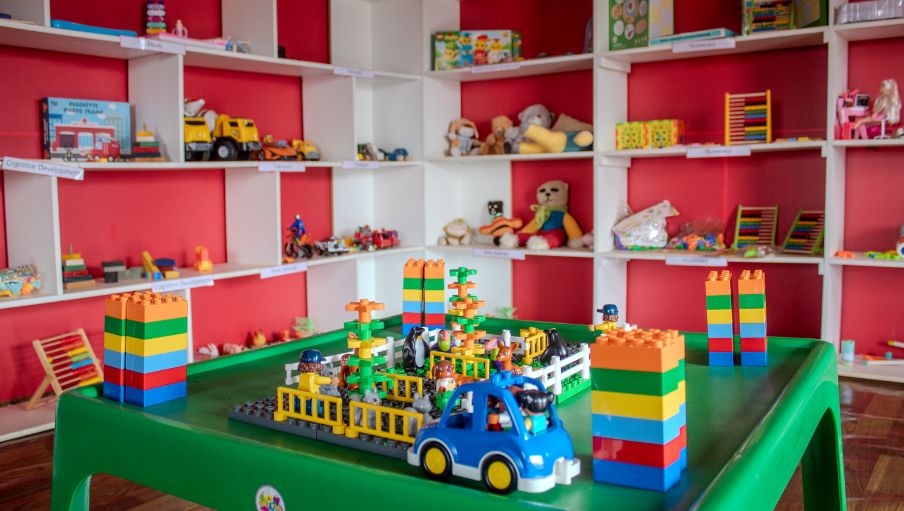
The changes are easy to see at home too.
“She is more open now,” Mrs Segune explains. “You can hear when she speaks that they teach them to speak clearly.” Language development has been another important part of her daughter’s growth. At the centre, the children are exposed to more than one language, which has helped her become more confident when communicating.
“In most cases they speak both English and Setswana,” she says.
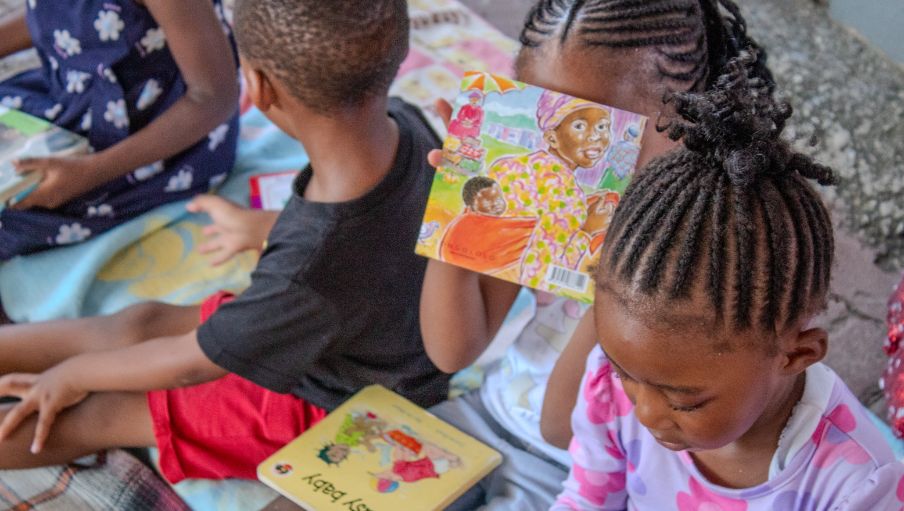
Almost every day, her daughter arrives home with something new to share.
“Every time she comes home, she shares something new, either a new word or a new game,” her mother says with a smile. “Sometimes you are surprised and you ask, ‘Where did you learn that from?’”
The answer is usually the same.
“She says, ‘This is what we learnt at crèche.’”
Learning at home
But learning does not stop at the classroom door. Parents play an important role in supporting their children’s development by listening, encouraging curiosity, and continuing learning through everyday activities at home.
For this mother, those small conversations after school have become one of the most rewarding parts of the day. “They always want to show you what they learnt,” she says.
In communities like Zenzele, where families often face difficult economic circumstances, early learning centres are spaces where children can build confidence, form friendships, and discover the joy of learning.
For Thorofaso Segune’s daughter, that journey is already well underway.