Creating the Conditions for Every Child in South Africa to Thrive
20 Nov 2026
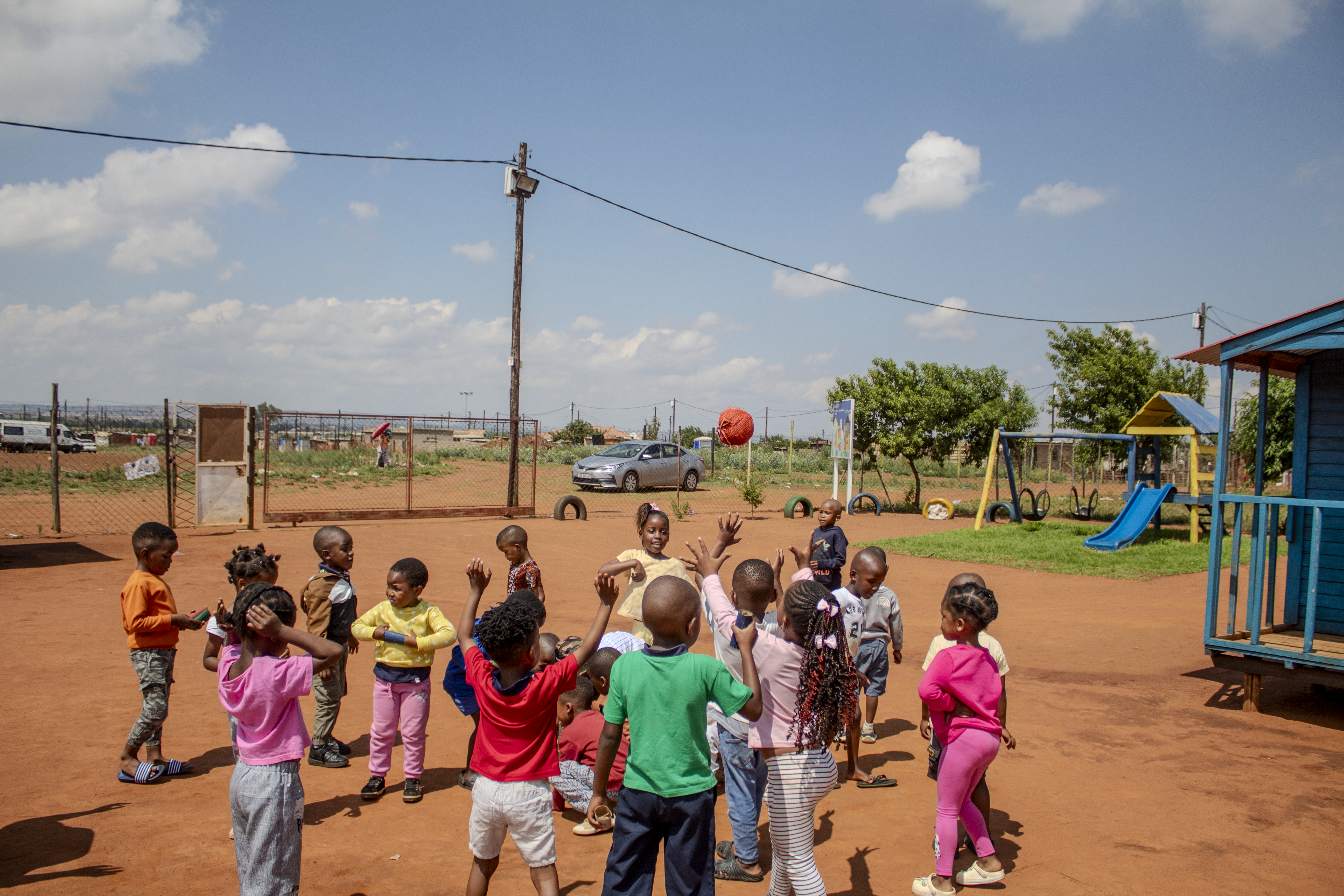
World Children's Day is a reminder that every child has the right to grow, learn, play and be protected. Realising these rights takes more than individual programmes. It takes connected early childhood development services, supportive relationships and communities working together.
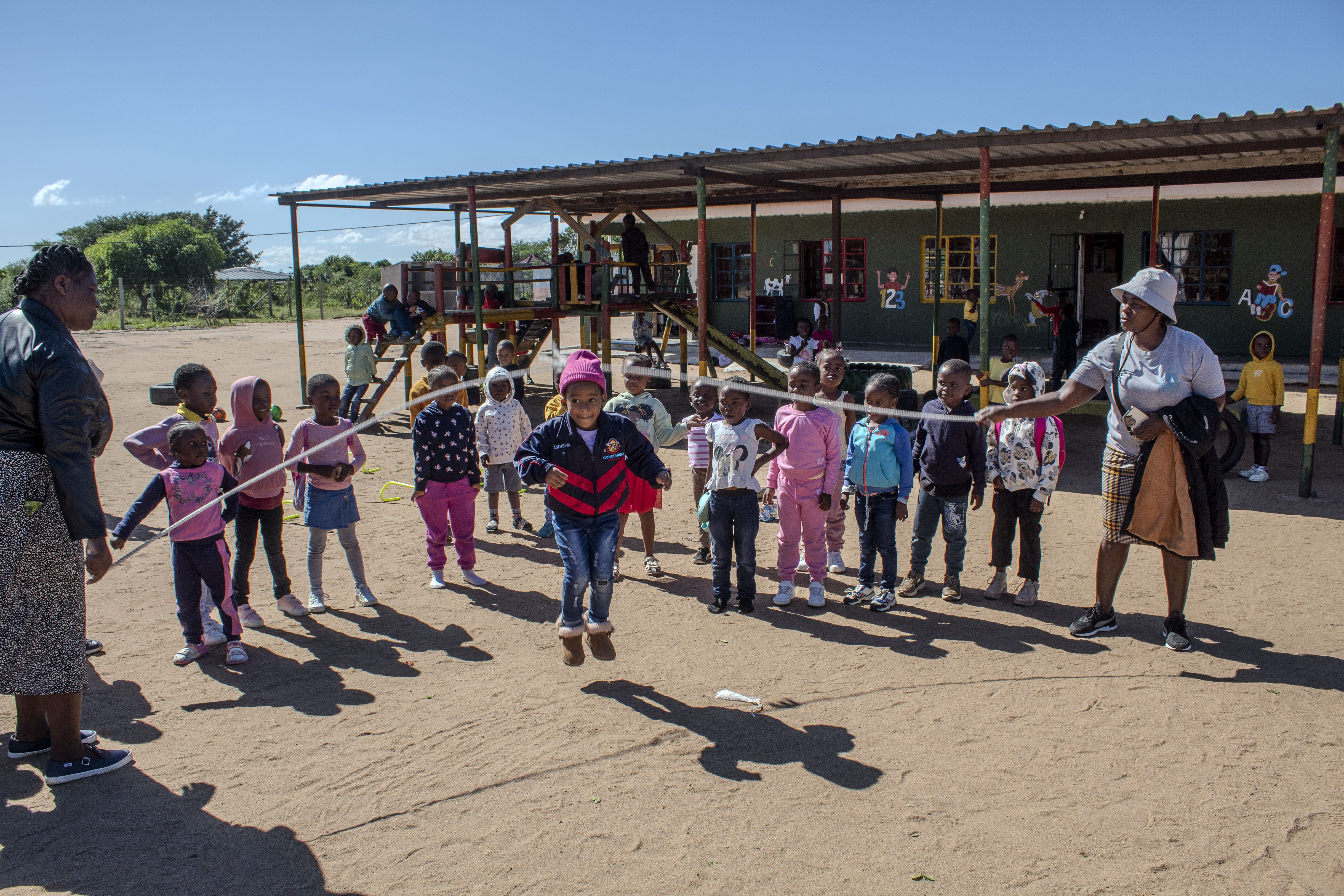
What do young children need to thrive? Nutritious food, opportunities to learn through play, safe and healthy environments, caring adults and access to quality early childhood development (ECD) services. These needs are interconnected, and none can be considered in isolation.
In South Africa, creating the conditions for every child to reach their full potential means strengthening the support systems around children and families. This calls for families, ECD practitioners, communities, government, businesses and civil society to work together.
World Children's Day on 20 November is an opportunity to consider what it takes to make children's rights part of everyday life.
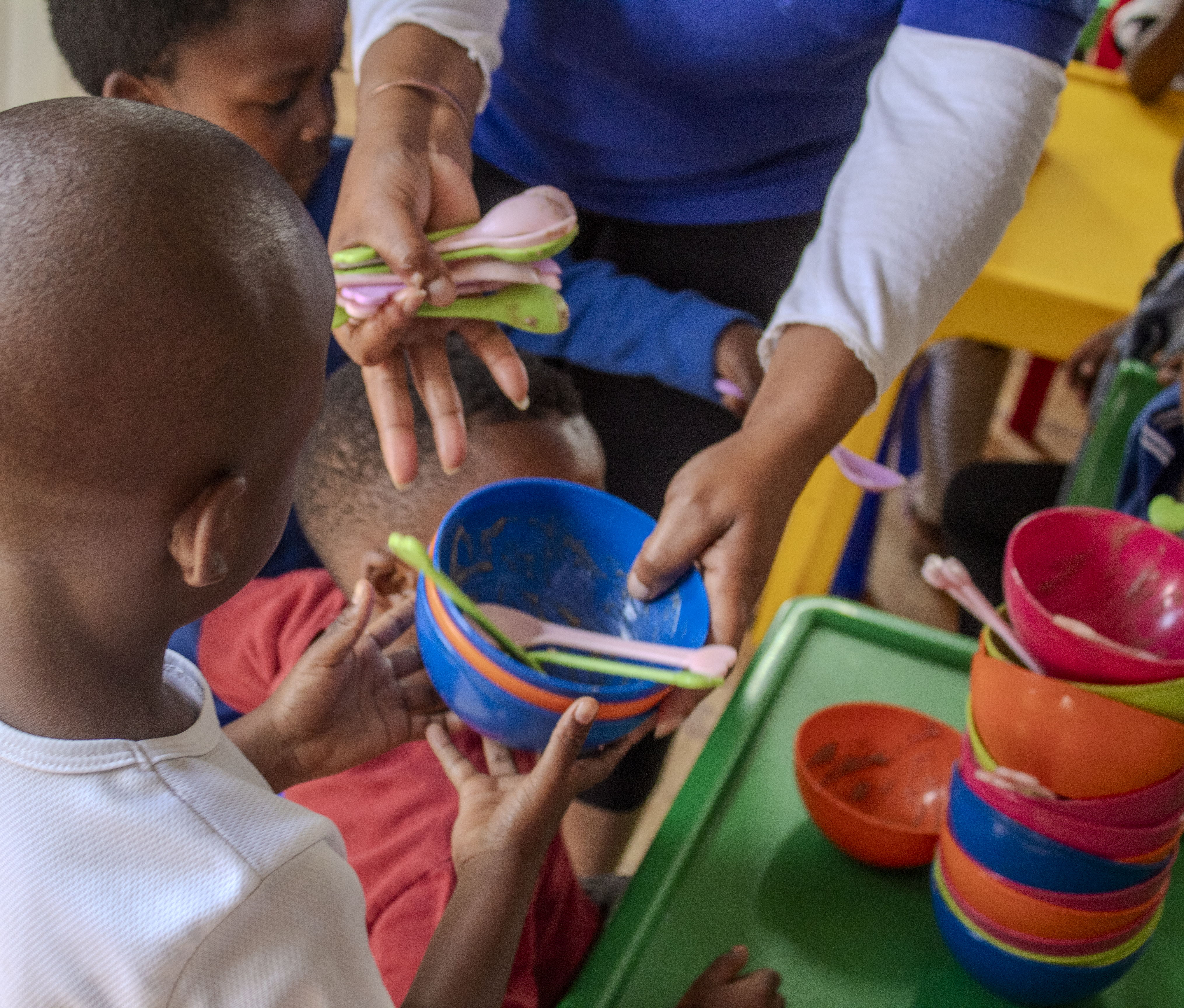
As Dr Warren Farrer, DO MORE’s CEO, explains: "Children don’t experience their needs in separate categories. A child needs good nutrition, access to health services, opportunities to learn through play, and a safe and healthy environment, all at once. If we want children to thrive, we need to look at the whole picture and make sure the support around them works together."
Why early childhood development needs a whole-community approach
A child's early years are shaped by more than what happens at home or in an ECD centre. Nutrition, health, responsive caregiving, early learning and safe environments all contribute to development. Families and practitioners need connected support and services.
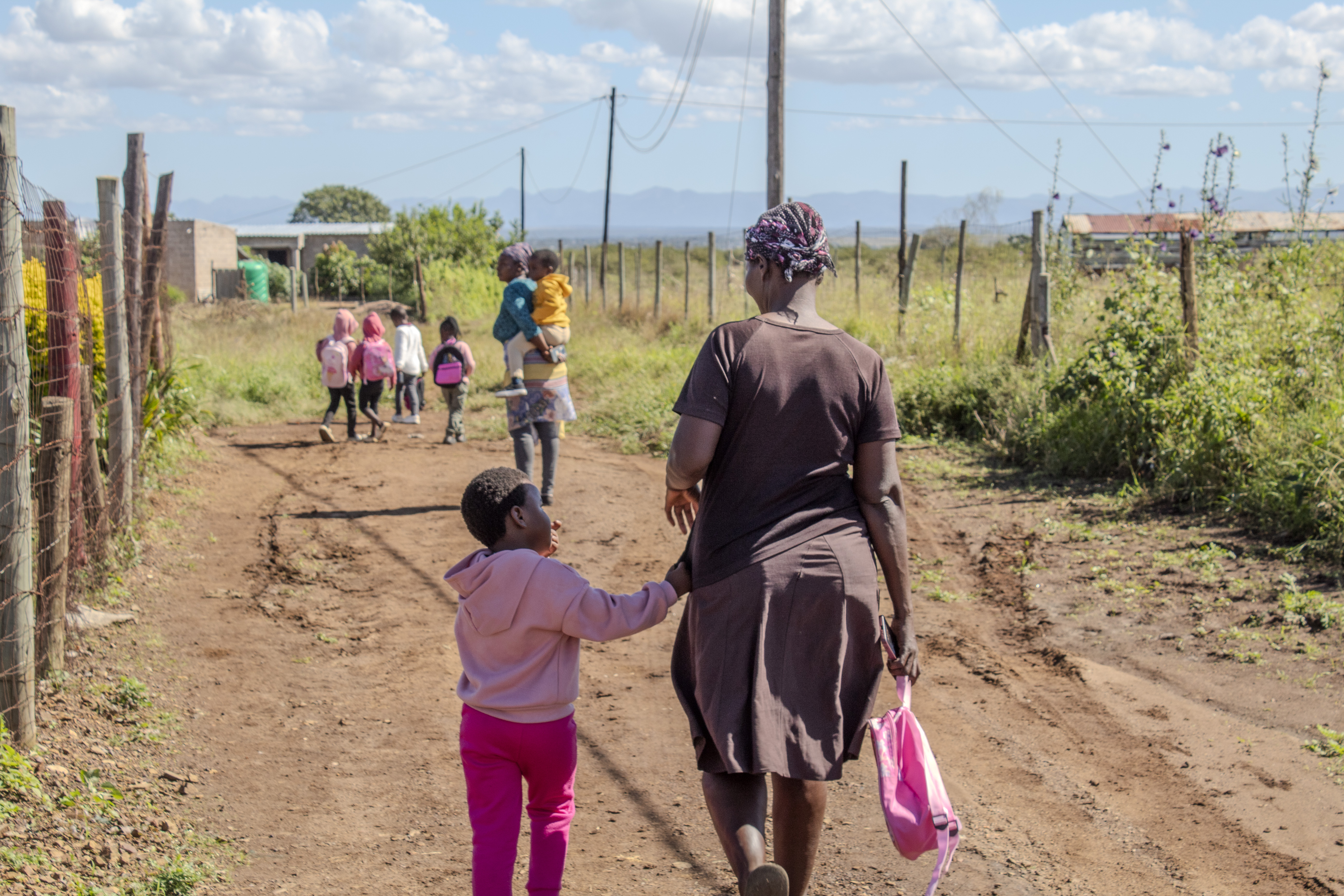
No single organisation can provide everything a young child needs. Stronger ECD systems depend on collaboration between the people and organisations closest to children, as well as the institutions and resources that can help address gaps.
This is where we work as a backbone organisation. We convene government, civil society, community organisations and the private sector to strengthen the local systems and services that support young children.
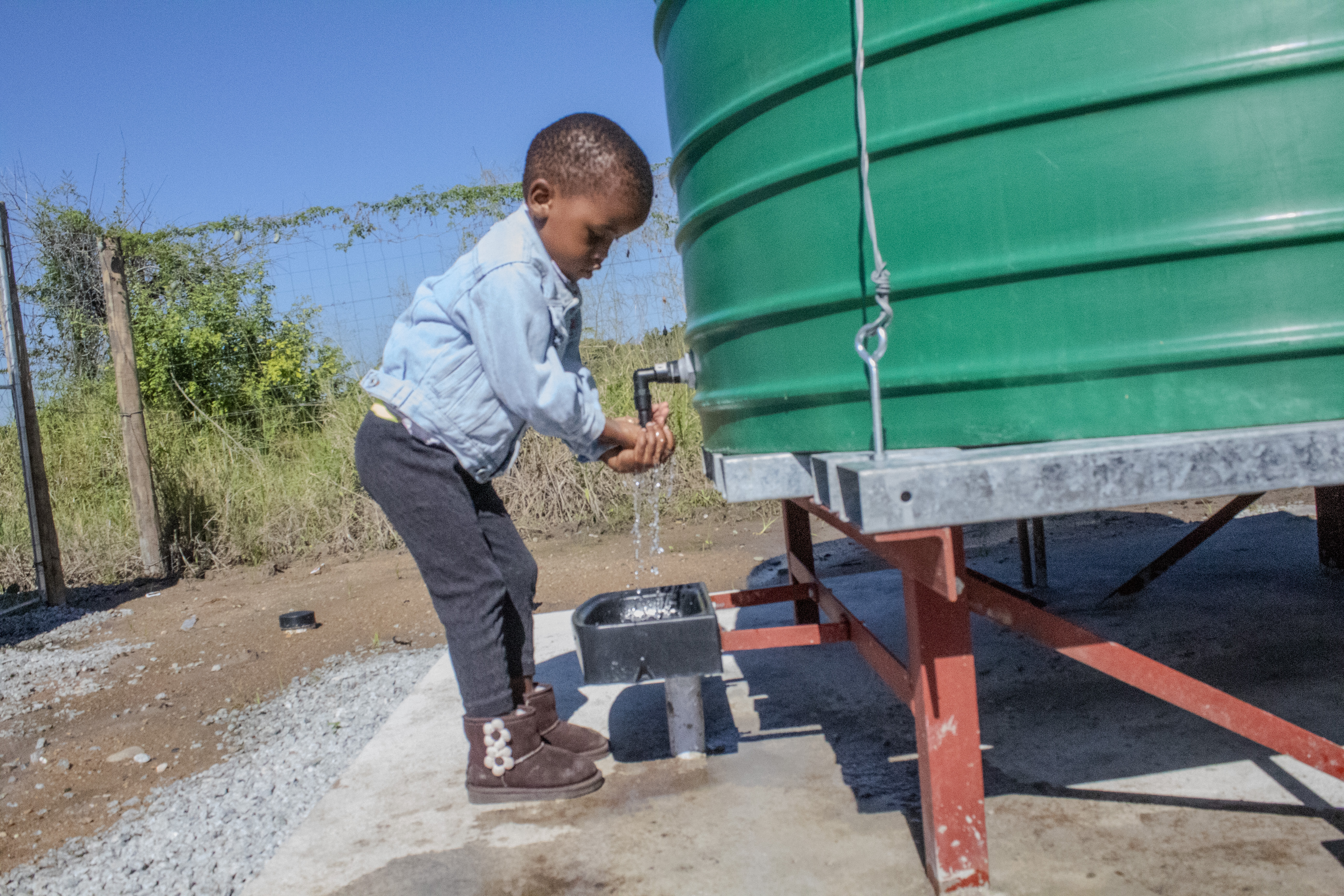
The Foundation works alongside existing community structures and partners, connecting resources, expertise and relationships around a shared purpose so local efforts are more coordinated and responsive to children and families.
What collective action can achieve
The DO MORE FOUNDATION's 2026 impact offers a glimpse of what this collaborative approach can make possible.
Across nine communities where the Foundation works intensively with local partners to strengthen the systems surrounding young children, collective efforts reached 20,210 children.
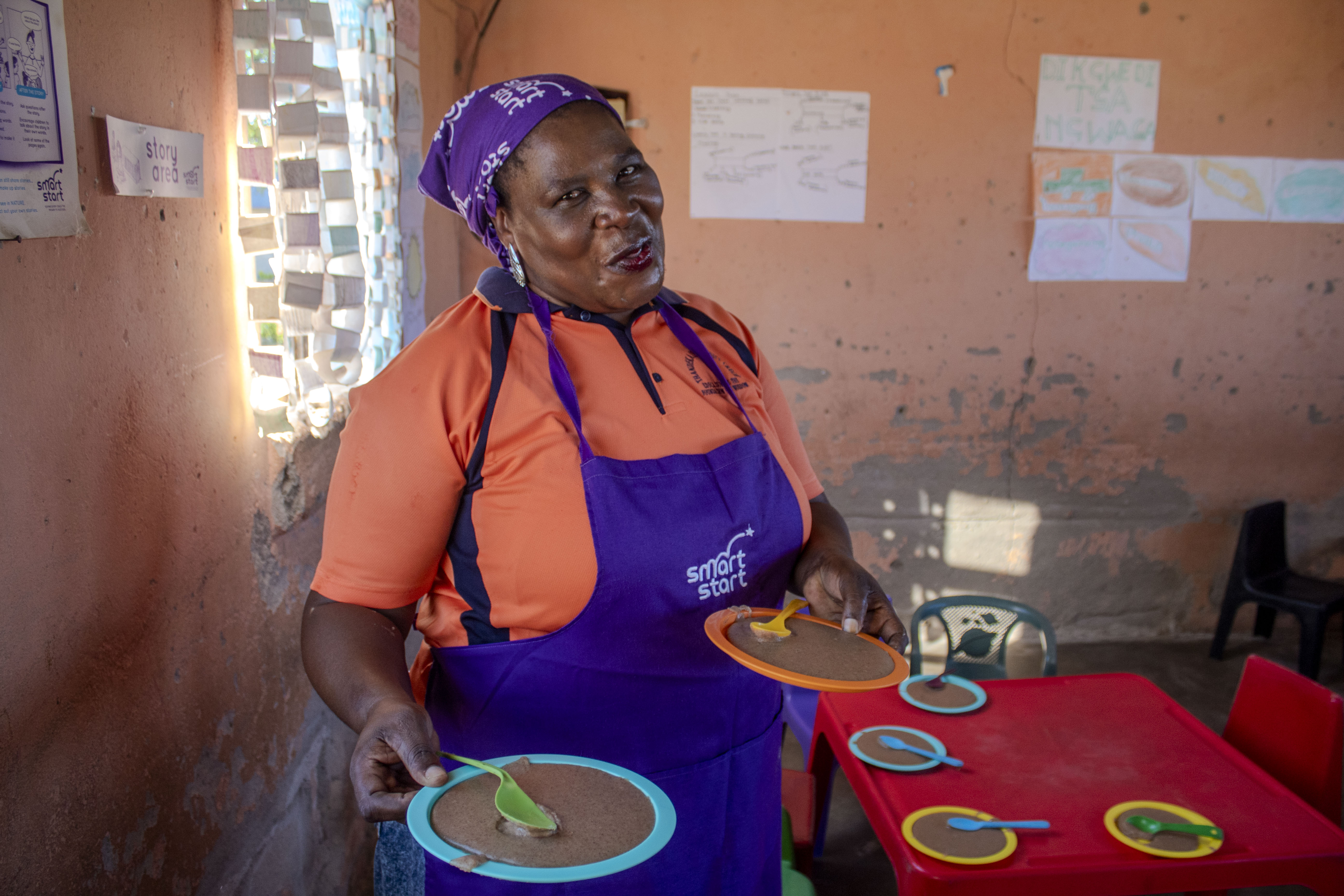
Beyond these communities, our programmes extend support much more widely across South Africa. During the year, 5.8 million meals of fortified DO MORE Porridge were provided, while 68,700 early learning resources reached young children and ECD settings.
These figures reflect practical support for child nutrition and early learning, alongside the relationships and community structures that make that support meaningful. Collective impact is not simply about reaching more children or distributing more resources; it is about strengthening the connections that support children's development every day.
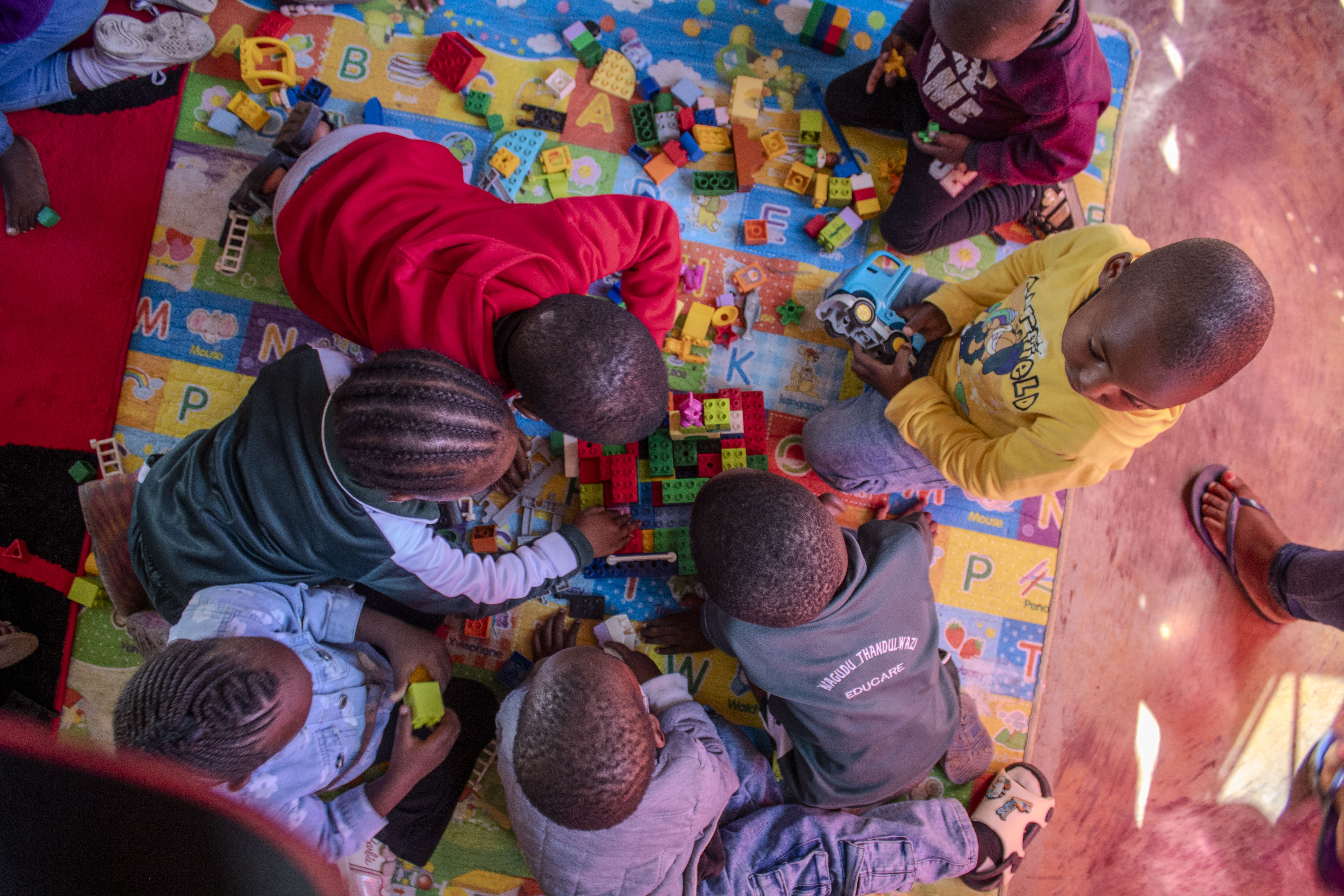
As Jabu Mthembu-Dlamini, DO MORE’s Community Development Programmes Manager, reflects: "Some of the most meaningful progress happens when we listen to the people closest to children. ECD practitioners, parents and caregivers understand their communities and the challenges children face. Our role is to work alongside them, connect the right partners and resources, and strengthen the support available to children."
Communities are not simply recipients of support; they are active contributors to solutions. ECD practitioners, parents and caregivers bring essential local knowledge, while organisations and government structures help connect families to services and resources.
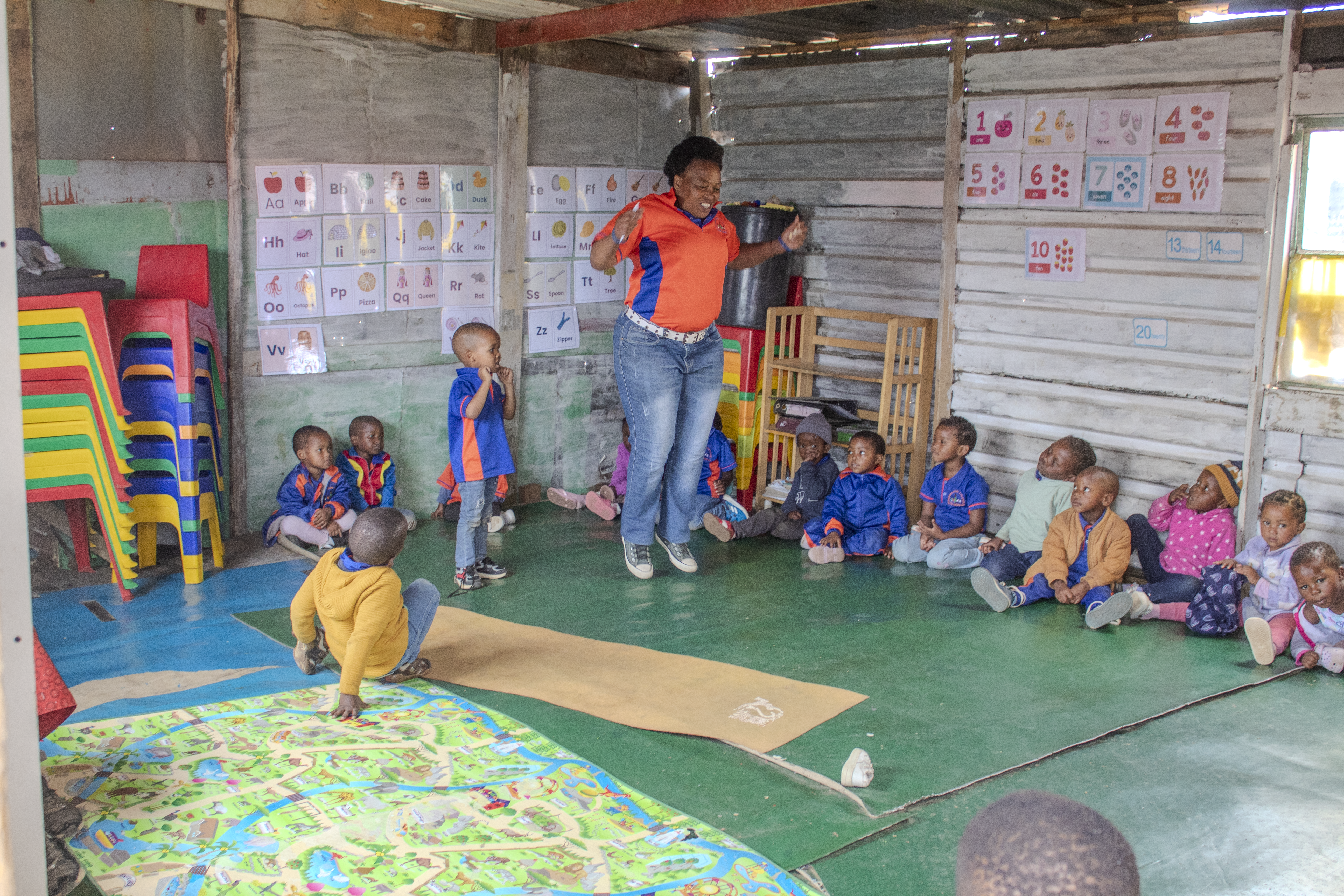
When these contributions are recognised and strengthened, support around children can become more connected and responsive to what families need.
Creating better beginnings is a shared responsibility
The measure of progress is not simply how many organisations are involved or how many activities take place. It is whether their collective efforts translate into better everyday experiences and opportunities for young children.
For DO MORE, this means continuing to bring partners together, strengthen community systems, learn from what is working and understand whether children and families can access the support they need.
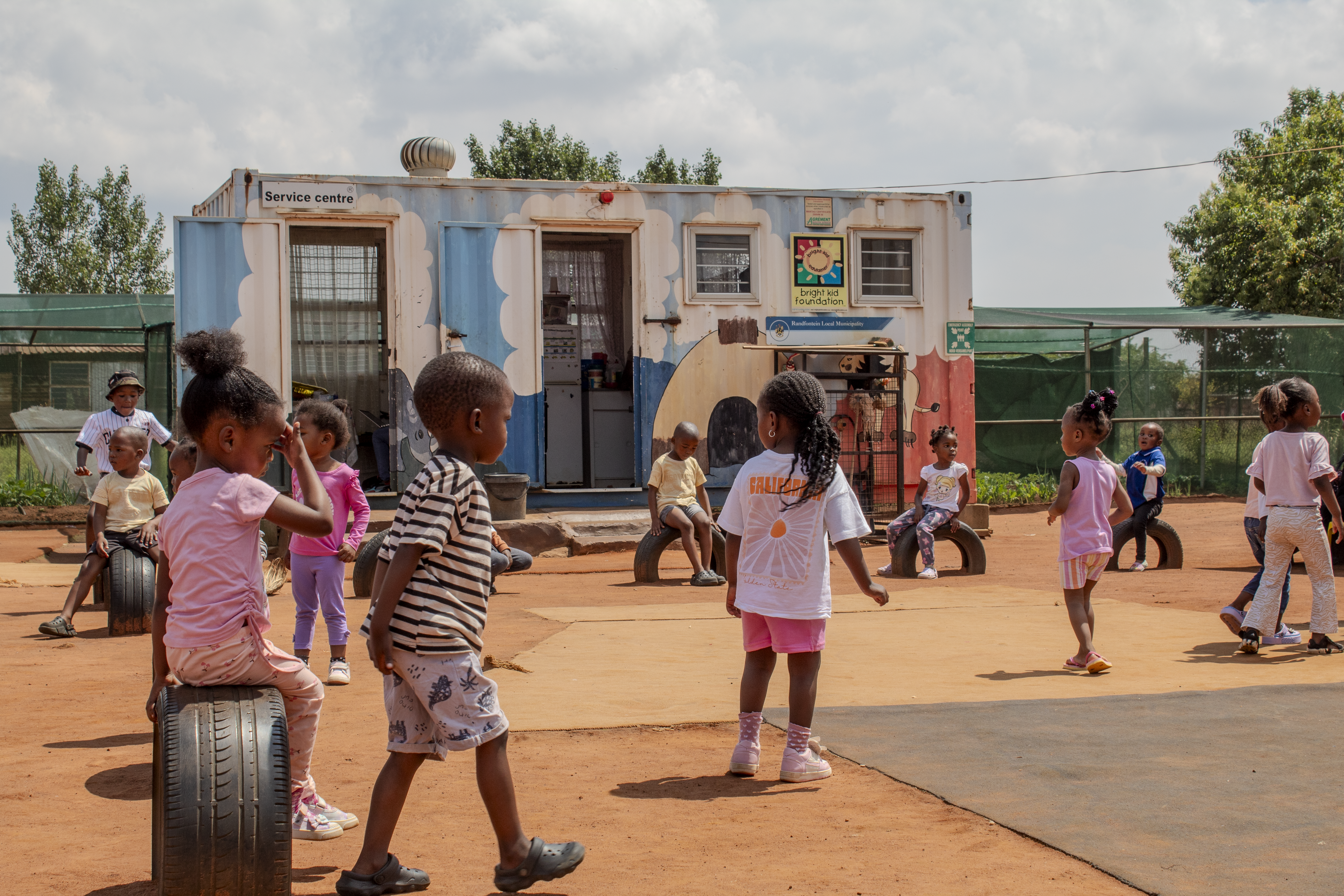
World Children's Day gives us an opportunity to reflect on this responsibility, but realising children's rights cannot be confined to one day on the calendar. It happens in our homes, communities, workplaces, ECD centres and public systems, through the choices we make and the contributions we bring.
Every child deserves more than a good start. They deserve the conditions, relationships and support that allow them to thrive. Creating those conditions is a responsibility we all share.